Turning Visibility into Control: What DSPM Must Do
2026.04.28-CyberHaven-LandingPage-1540x660

Sponsored By:

cyberhaven-logo-gradient-logo-bl
Tuesday, April 28th

1 pm ET

Most DSPM programs stall at “we finally have visibility.” A better inventory, not better control. Meanwhile, sensitive data is fragmenting across endpoints, cloud, SaaS, and AI tools at a pace legacy architectures were never built to handle. Cyberhaven Labs has found that more than 80% of exfiltrated data consists of fragments like snippets of strategy decks, customer records, and deal memos, quietly leaking through modern workflows rather than traditional file transfers. At the same time, organizations with high AI adoption are already running hundreds of GenAI tools, multiplying the number of places those fragments can go.

Based on the eBook From Visibility to Control: A Practical Guide to Modern DSPM, this session lays out a top-8 checklist of what modern DSPM must actually do to turn posture insight into real-time control. We’ll break down the core capabilities required to continuously discover, understand, and protect data everywhere it lives, especially in AI workflows, and show how to use this checklist to evaluate your current stack and future vendors.

Who should attend: CISOs, data security leaders, cloud and SaaS security owners, and architects tasked with making DSPM projects drive real risk reduction, not just better dashboards.

Key Takeaways:

  • Discover and classify sensitive data everywhere it lives, including endpoints and GenAI tools

  • Use context, lineage, and identity to separate true risk from background noise

  • Wire DSPM directly into enforcement so findings automatically drive DLP and AI-aware controls


Register Below:

We'll send you an email confirmation

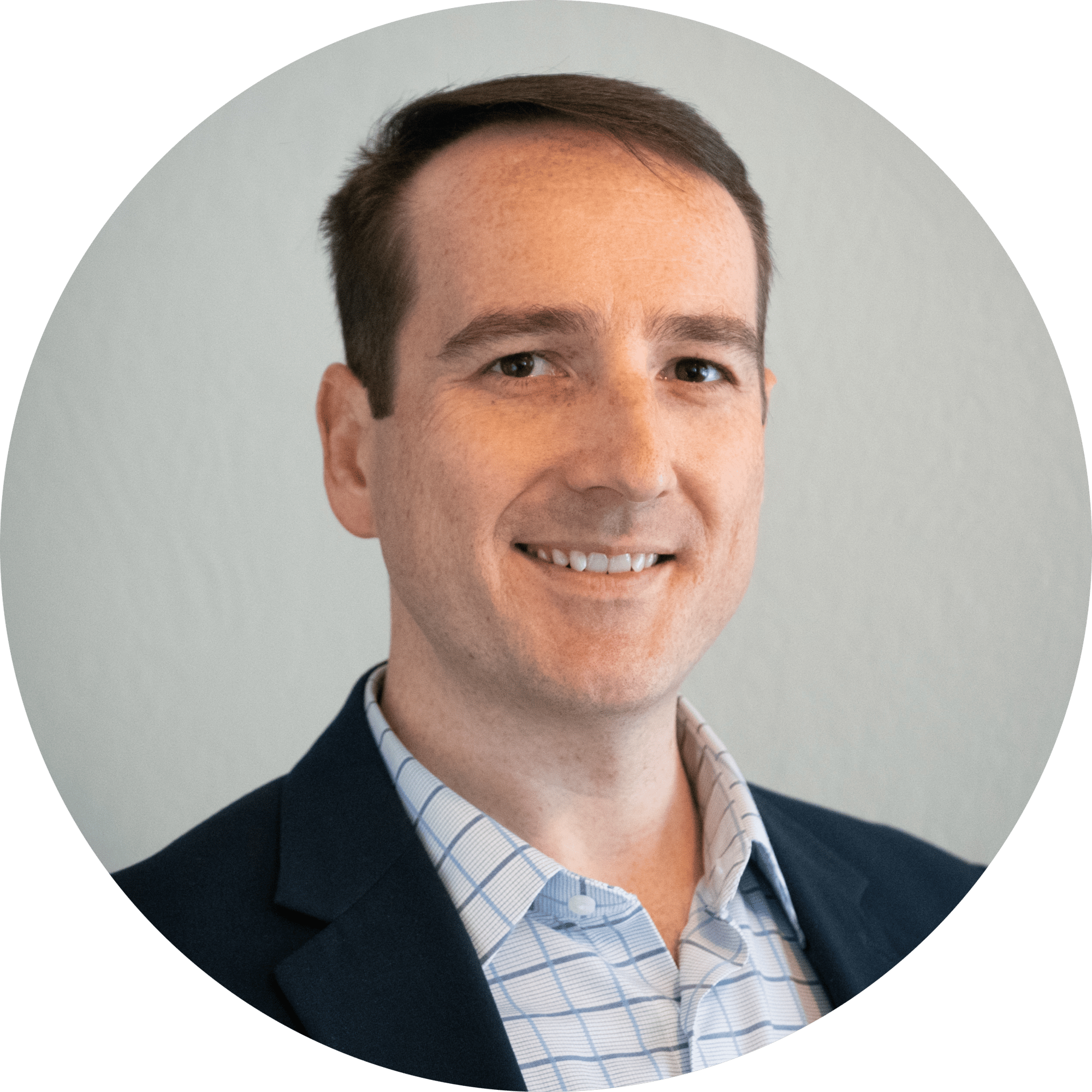
CameronGalbraith_headshot-modified

Cameron Galbraith

Cameron GalbraithSenior Director of Product Marketing at Cyberhaven

 Cameron Galbraith is the Senior Director of Product Marketing at Cyberhaven, the AI-native data security company revolutionizing how organizations protect their most critical data. Previously, he has held leadership roles at technology companies serving diverse sectors, including cybersecurity, artificial intelligence, telecommunications, supply chain & logistics, and state & local governments. He is a graduate with honors from the University of California, Irvine.